Professional Roofer for Premium Roof Solutions
Appointing a professional roofer constitutes a strategic decision for property dwellers after quality roofing solutions. These experts not only guarantee compliance with local construction guidelines but also provide access to top-tier materials. Their ability to recognize and resolve potential issues promptly can save considerable resources and time. Recognizing the diverse roof alternatives at hand and the rewards can further enhance this process. What factors should property owners weigh when appointing the right professional for their needs?
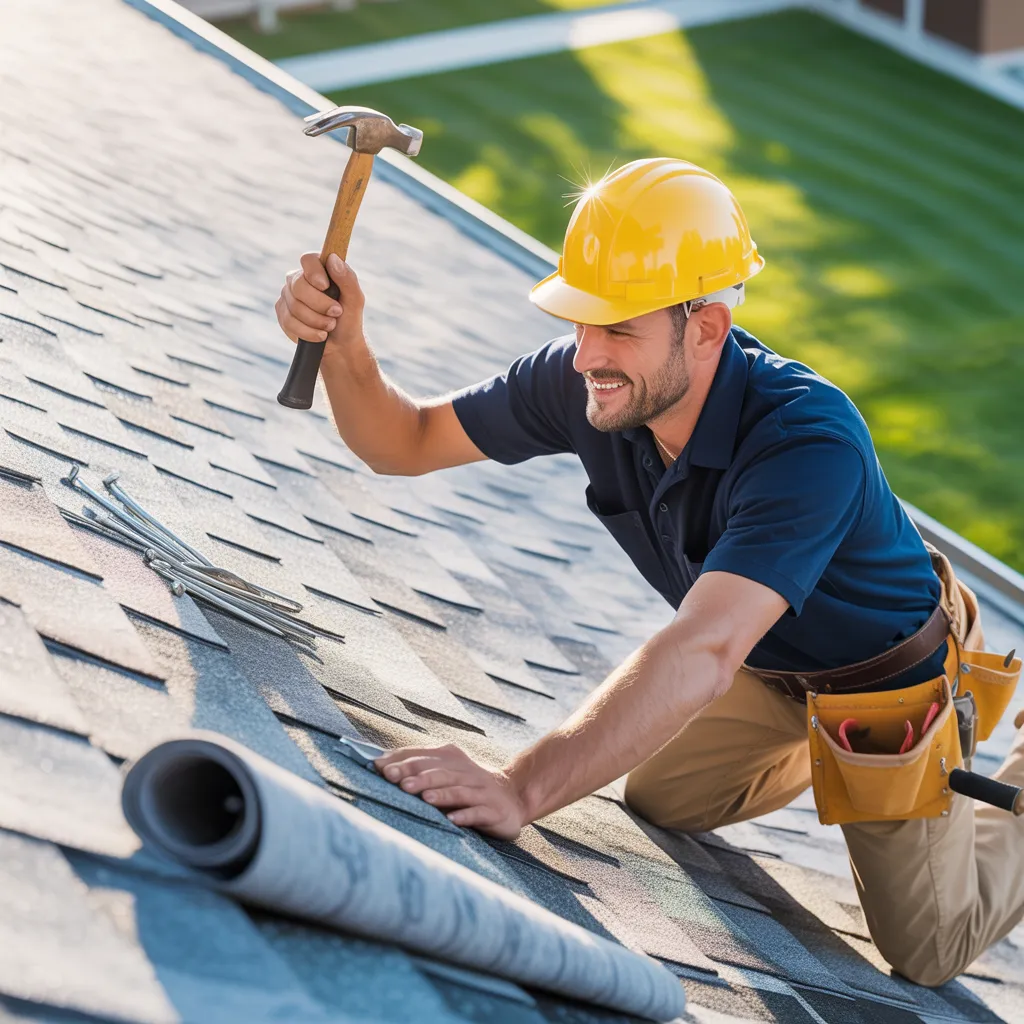
Why You Should Employ a Expert Roofer
When considering a roof renovation, hiring a professional roofer guarantees both quality and protection. Professional roofers possess the required instruction and expertise to handle various roof problems effectively. Their background enables them to detect potential issues prior to they worsen, guaranteeing long-term longevity. Furthermore, they are knowledgeable in local building codes and requirements, which reduces the risk of legal complications.
Also, professional roof technicians have the availability of high-quality materials that may not be accessible to the average property owner, enhancing the general performance of the roof structure. They also deliver protective guarantees that can give assurance and confidence, protecting the financial stake made in the roofing project. Crucially, safety is paramount; experienced roof technicians are supplied with the right tools and safety gear to perform their tasks without risking injury. To wrap up, retaining a skilled roof expert is a prudent selection for achieving a reliable and secure roofing solution.
A Comprehensive Handbook to Popular Roofing Materials and Their Benefits
Many roofing materials are on the market, each presenting distinct strengths suited to diverse needs and preferences. Asphalt shingles are among the most favored due to their affordability, ease of installation, and variety of colors. Metal roofing, known for its durability and resistance to extreme weather, also reflects heat, making it energy-efficient. Slate tiles provide a timeless aesthetic and exceptional longevity, while clay tiles offer excellent insulation and can tolerate harsh climates.
For those interested in sustainable alternatives, rubber roofing is rising in popularity; it replicates the visual appeal of expensive products and is made with reclaimed products. Wood shakes give a authentic, rustic feel but need more care. In conclusion, man-made roof options unite the top features of time-tested options, delivering versatility and resilience. Each material delivers distinct benefits, making it vital for homeowners to consider their priorities and seek advice from specialists when picking the ideal roof choice.
Widespread Roofing Problems and Methods Specialists Use to Address Them
Standard roofing difficulties, such as leaks and aqueous destruction, can produce notable structural problems if not attended to promptly. Additionally, missing or damaged shingles impair the roof's solidity and expose the home to supplementary perils. Professionals leverage various techniques to identify and resolve these predicaments, ensuring long-lasting protection and tranquility for homeowners.
Water Seepage and Water Damage
Leaks and water damage cause considerable hurdles for homeowners, frequently resulting in expensive repairs and foundational problems. These concerns usually originate from a broad spectrum of causes, including worn-out materials, faulty installation, or even extreme weather events. Water intrusion can undermine insulation, foster mold development, and compromise structural soundness. Experienced roof professionals leverage cutting-edge techniques to find and resolve leaks with efficiency. They perform in-depth assessments to identify problem areas, utilizing tools such as moisture meters and infrared cameras. Once detected, they deploy customized remedies, which may include sealing, flashing replacement, or, in severe cases, partial roof replacement. By resolving leaks in a timely manner, professionals support homeowners minimize damage, guaranteeing lasting assurance and peace of mind.
Missing or Deteriorated Shingles
Roofing issues often manifest through missing or damaged shingles, which can compromise a home's protective barrier. These defects leave vulnerable the underlying structure to environmental factors, possibly resulting in leaks and further deterioration. Professionals commonly conduct comprehensive assessments to identify the severity of the problem. They may recommend substituting single shingles or whole areas, depending on the degree. Applying high-quality materials, skilled contractors assure proper installation to prevent future issues. Additionally, they assess the roof's overall condition to resolve any foundational issues, such as inadequate airflow or structural vulnerabilities. Consistent upkeep and prompt remedies are vital to maintaining a roof's structural soundness, ultimately protecting the home against water intrusion and other environmental hazards.
Identifying the Optimal Roof Type for Your Home
If you are picking the best roofing option for a home, it is crucial to evaluate individual roofing needs first. Comprehending the variety of roofing materials on the market and their prices can influence the decision-making process significantly. Budget considerations also serve an important function in guaranteeing that the selected option meets both visual and practical requirements.
Reviewing Your Roofing Specifications
What is the best way to choose the most effective roofing option for your home? Reviewing roofing requirements starts by valuable resource reviewing the home’s structure and the surrounding climate. Homeowners should consider factors such as energy efficiency, durability, and maintenance needs. A careful inspection of the existing roof can uncover potential problems that could determine the choice of materials. Furthermore, budget constraints play a important role; understanding the long-term expenses versus the initial investment is critical. Consulting with a licensed professional can provide valuable insights and tips tailored to specific needs. Ultimately, the choice should harmonize visual choices with practical requirements, ensuring the selected roofing solution boosts the home’s value while offering long-term defense.
Material Varieties Introduction
Determining the right roofing materials is a crucial phase in the overall roofing process. Homeowners must evaluate various options, each with distinct advantages and drawbacks. Asphalt shingles are favored for their affordability and ease of installation, while metal roofing provides longevity and energy savings. Clay and concrete tiles provide a stylish, long-lasting solution, particularly ideal for warm climates. Wood shakes offer a organic appearance but require more maintenance. Synthetic materials, such as rubber or plastic, mimic traditional styles while delivering improved longevity. Additionally, eco-conscious factors may prompt some homeowners to investigate eco-friendly alternatives like green roofs or recycled materials. Ultimately, choosing the best roofing material relies on the home's design, climate, and personal preferences.
Budget Factors Explained
When budgeting for a roofing project, it typically requires meticulous consideration of multiple factors to assure that homeowners choose the best fitting option for their needs. Firstly, the selection of materials has a major effect on both the initial costs and the durability over time. Asphalt shingles are often affordable, whereas metal or tile choices might provide greater longevity but come with a higher price. Moreover, labor charges can vary according to the roofing contractor’s skill and the complexity of the project. Homeowners should also factor in possible hidden costs like structural repairs or permits. Lastly, factoring in long-term savings through energy efficiency and warranties assists in deciding wisely upfront investment against future advantages.
A Guide to What Happens During the Roofing Process
Understanding the nuances of the roofing process can greatly enhance a homeowner's engagement during a roofing project. Initially, property owners should expect a detailed inspection of the present roof conditions to identify its condition and the necessary repairs or replacements. Once the assessment, a complete proposal will specify the scope of work, components, and project duration.
As the project kicks off, homeowners can look for an orderly arrangement with protective measures in place to protect their property. The roofing crew will take away old materials, evaluate the underlying structure, and place new roofing systems according to industry standards. Keeping in touch is essential, as homeowners should expect progress notifications on advancement and any unforeseen issues.
In the end, the job wraps up with a detailed inspection to verify quality and adherence with specifications. Residents should also get maintenance advice to prolong the durability of their new roof, stressing the value of grasping the entire roofing workflow.
Why Routine Roof Inspections Matter
Although many property owners may overlook roof maintenance, regular check-ups are vital for preserving the integrity and longevity of a roof. These inspections help identify minor issues before they escalate into expensive maintenance. By catching issues like leaks, loose shingles, or moss growth early, homeowners can save both time and money.
Furthermore, routine examinations ensure that the roof adheres to local construction standards, which can avoid future issues during property transactions. Seasonal changes can take a toll on roofing materials, making it essential to monitor wear and tear.
Moreover, a well-maintained roof enhances the overall aesthetic appeal of a home and contributes to its market value. Participating in regular check-ups not only maintains the structural soundness of the property but also offers reassurance for homeowners. Ultimately, prioritizing roof check-ups is a proactive approach to home maintenance that yields benefits in the long run.
Discovering and Hiring a Professional Roofer in Your Area
After recognizing the importance of regular roof check-ups, homeowners often seek skilled professionals for maintenance and repairs. Finding a qualified roofer in their area can be daunting; however, a few important approaches can simplify the process.
First, property owners should request referrals from friends, family, or neighbors who have recently had roofing work done. Internet reviews and ratings on platforms like Google and Yelp can also provide valuable insights into a roofer's track record.
After a group of potential applicants is assembled, homeowners should authenticate qualifications, containing licenses and insurance. Securing several quotations lets them to evaluate pricing and services delivered.
Also, inquiring about protection plans and promises can help assure enduring performance. By following these steps, homeowners can securely hire a professional roofer who meets their particular requirements, ensuring their roofs stay in peak condition for years to come.
Popular Asked Questions
What Certifications Must I Seek in a Experienced Roofer?
If you're locating a qualified roofing specialist, you should concentrate on qualifications including correct licensure, insurance coverage, considerable background, excellent testimonials, and observance of industry standards. These elements guarantee quality work and protection against potential liabilities.
What Period Does a Normal Roofing Project Need to Complete?
A standard roofing project typically takes between one to three days, contingent on the size and complexity of the roof, environmental factors, and the crew's efficiency. Larger or more intricate roofs may need additional time.
Are Roofing Warranties Transferrable if I Sell Off My Home?
Roof protections are usually assignable, but specific stipulations are necessary. Residents should review the warranty documents for specifics on transferability, as some manufacturers necessitate notification and may have time limits for the transfer completion.
What Should I Do if I Suspect Roof Impairment After a Storm?
If roof wear is suspected after a storm, the homeowner should look over the roof for visible issues, catalog any wear, and reach out to a professional for an assessment to pinpoint necessary repairs and forestall further setbacks.
How Can I Care for My Roof Between Professional Inspections?
Regularly inspect the roof for debris, look for damaged shingles, and clean gutters to avoid water buildup. Fix small issues promptly and keep an eye out for signs of leaks or wear between professional inspections.